
Realistic Hunting Blood Trails: Track Wounded Game
Follow Realistic Hunting blood trails to recover wounded animals, read tracking clues, avoid losing your target, and choose gear for night hunts in Roblox.
Jump to
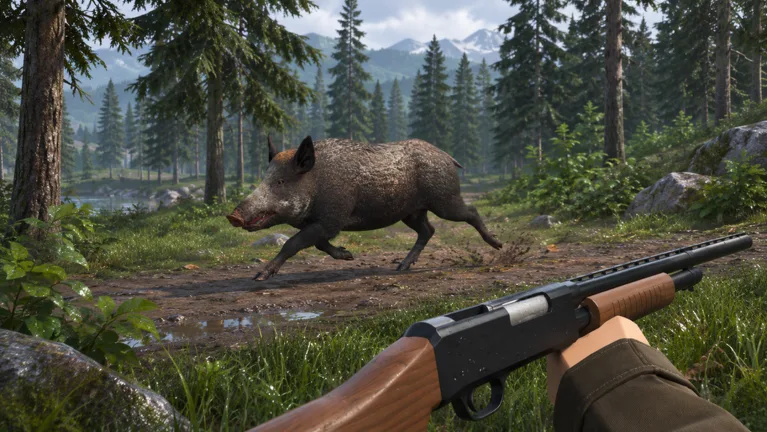
How to Follow a Wounded Animal
Realistic Hunting blood trails let you recover wounded animals after they flee a shot. Return to the hit site, investigate the blood on the ground, and follow the direction given by the tracking clues. Keep checking blood and footprints until you find the animal, then tag it and collect your reward.
Start where the animal stood when your bullet hit. Remember that spot before leaving your shooting position, especially when firing across a hillside or into a herd. Running toward the last movement you noticed makes it easier to lose the starting point.
Tracking workflow — November 24, 2026
| Stage | What to do | Information to use |
|---|---|---|
| Hit site | Return to where the animal was standing | The starting point for your search |
| Blood | Use the investigate and analyze interactions | Wound clues and tracking direction |
| Footprints | Analyze prints along the route | Travel direction and animal details |
| Recovery | Tag the downed animal and collect it | Harvest information and your reward |
Follow the route in short stretches. Stop to inspect the next clue instead of charging toward a distant animal marker. When wildlife overlaps, those inspections help you keep track of what you are actually following.
Official page: Realistic Hunting (roblox.com)
Read Blood and Footprints Together
Blood analysis can give you a wound clue such as “Heart or muscle.” Keep following the trail after reading it: an animal can run after a heart hit before falling.
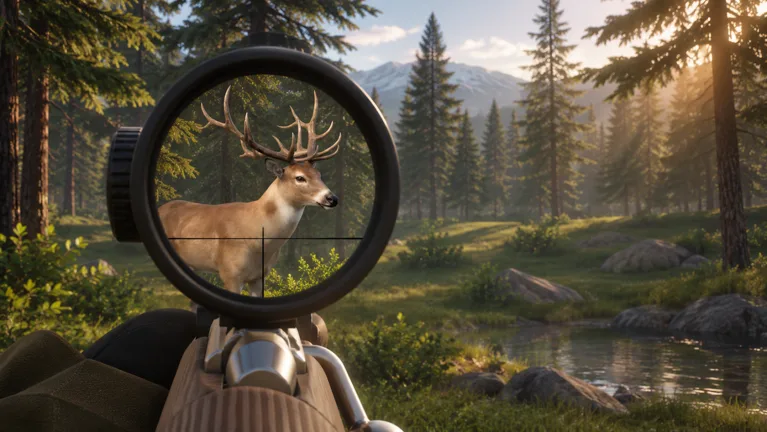 Image: Roblox / It's the Principle
Footprints add information about the animal itself. Analyzing prints can reveal details such as sex and a weight estimate. Use those details alongside the animal you identified before shooting, particularly when a buck disappears among other deer.
Keep these distinctions in mind:
- Blood helps you follow a wounded animal. Investigate it along the escape route.
- Footprints help identify the animal and its direction. Read the details before committing to a different trail.
- A nearby animal needs identification. Check its species and visible features before taking another shot.
For example, if you shot a whitetail buck and your next inspection identifies elk tracks, return to the blood trail you were following. Chasing the elk adds distance without helping you recover the buck.
What to Do When You Lose the Trail
Return to the last blood spot you successfully inspected. Search the ground along its indicated direction, checking nearby bushes and changes in elevation. Work outward from that known clue instead of wandering toward every animal you can see.
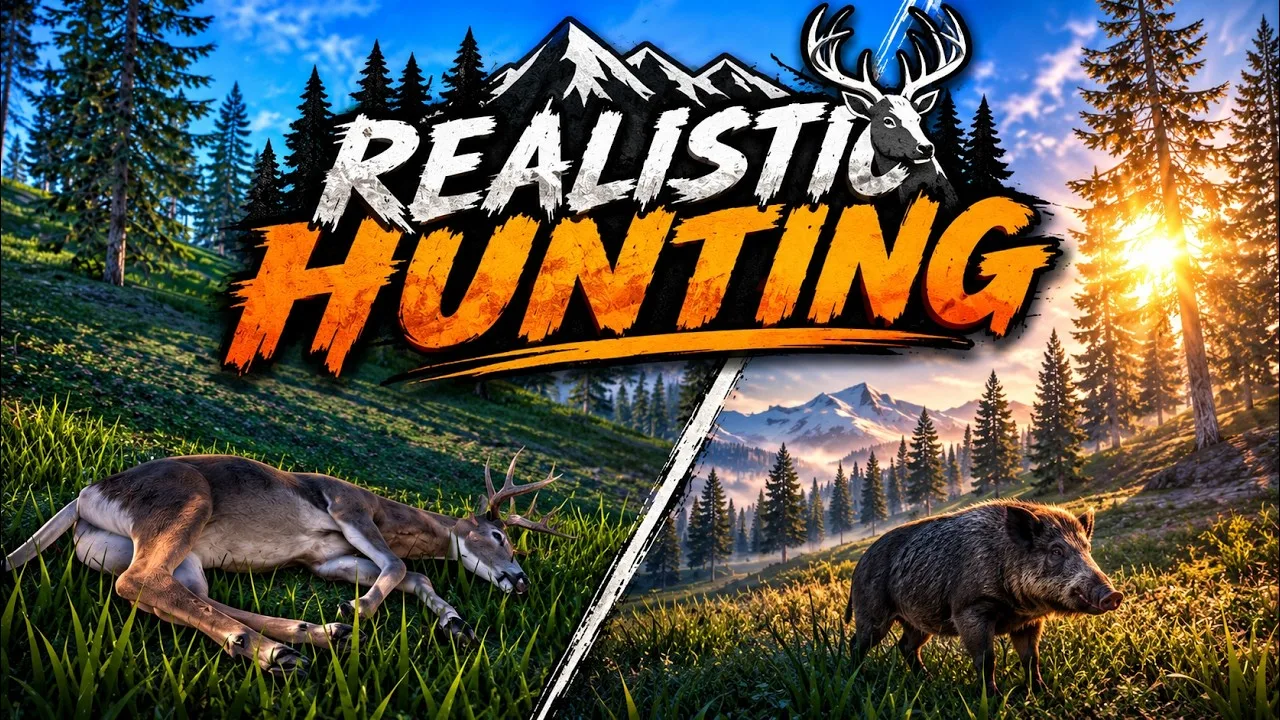
Slow down as you close in. Crouching reduces noise, and sprinting can spook wildlife. Watch the noise meter and wind while following an animal that is still moving.
If you spot the target again, stop and identify it before firing. Keep watching a limping or slower animal before taking another shot; a single heart hit can bring it down after a delay. Repeated shots at a moving silhouette make recovery more confusing and can hurt the harvest score.
Darkness also makes ground searches harder. Equip a compatible weapon light before heading out at night, or use the skip-night vote when it appears. Keep your search centered on the last inspected clue while visibility is poor.
Choose Gear That Helps You Finish the Hunt
Shorter tracking jobs begin with shot placement. Aim for the heart and lungs when you have a clear angle. Hits to the legs can leave an animal running, while a well-placed vital hit can drop it quickly.
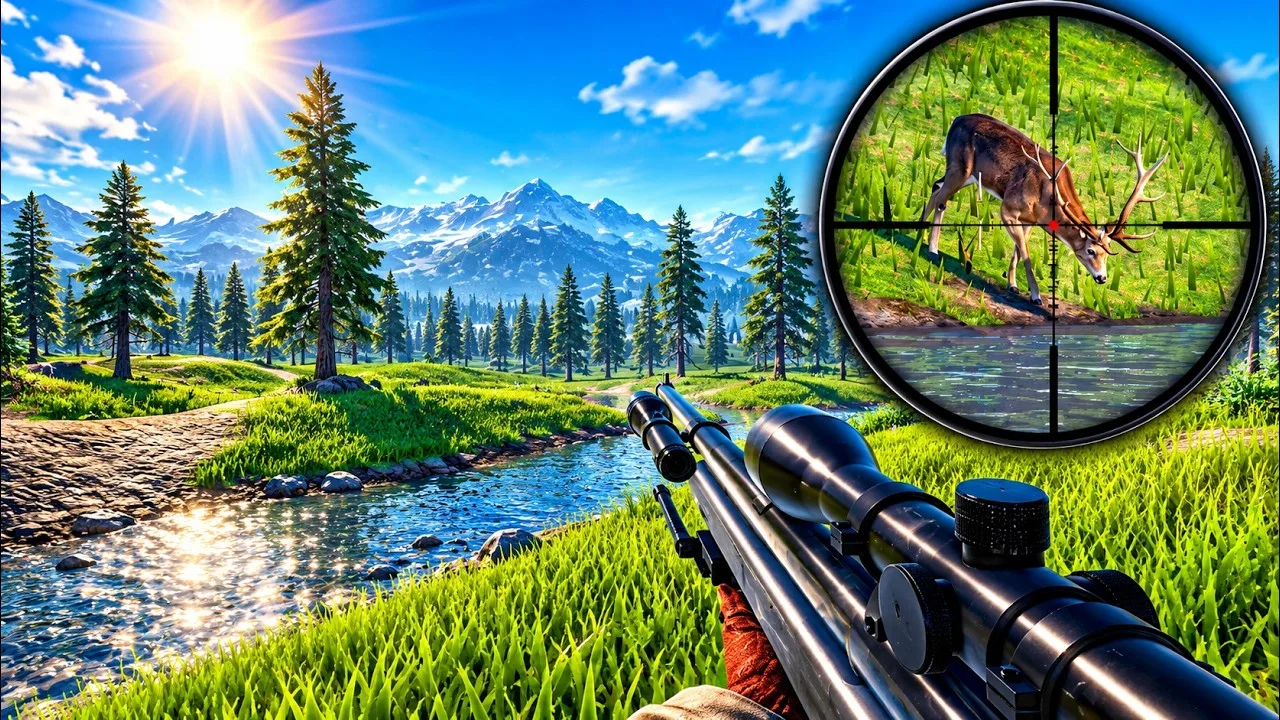
Use binoculars to identify your target before shooting. Invest in steady breath to reduce scope movement while aiming, and consider steady hands alongside it.
Match your rifle and ammunition to the animal. Larger game can require more penetration than your current setup provides. Read ammunition descriptions at the outfitters: deeper penetration and heavier bleeding involve tradeoffs, and narrow wounds can mean longer tracking.
Two paid upgrades have specific uses during recovery:
- Master Tracker — 249 Robux: Adds estimates of how far a trail continues and speeds up reading an animal’s weight and variant.
- Thermal Scope — 399 Robux: Provides a digital 2–8x scope that fits every gun and highlights animals and hunters day or night.
Use thermal vision to search ahead for the animal, then continue inspecting ground clues to follow its route.
Tag the Animal and Review the Harvest
Once you find the downed animal, tag it and collect your reward. Reaching the body is only part of the recovery; tagging is how you claim the cash.
Review the harvest screen’s shot information and X-ray to understand where your bullets landed. Compare that with how far the animal traveled. If a hunt required repeated follow-up shots, revisit your weapon, ammunition, and shooting angle before pursuing similar game.
Extra shots can reduce the harvest score. Take time to line up a clear vital shot when another hit is necessary.
For a trophy you want to display, use the preserve option. Rare albino, melanistic, and piebald animals are worth considering for your cabin collection.
Continue with
 Realistic Hunting Tracks: How to Read Prints and BloodLearn to read Realistic Hunting tracks, investigate blood trails, and recover wounded animals. Use quiet approaches and tracking upgrades to find game.
Continue exploring
Join the community
Official channels for news, updates and player help: